
About Hearing Loss
Changes in hearing can happen gradually, sometimes so slowly that people adjust without realizing how much they are missing. You may notice that conversations feel harder to follow, voices sound unclear, or background noise seems to overpower everything else. These changes are common, and addressing them early can make a meaningful difference in daily life.
At Gomer Hearing Center, our goal is to help you understand what may be affecting your hearing and offer solutions that support clarity and confidence. Whether you are exploring answers for the first time or looking to better understand long-standing concerns, we provide guidance rooted in compassion and expertise.
Common Causes of Hearing Loss
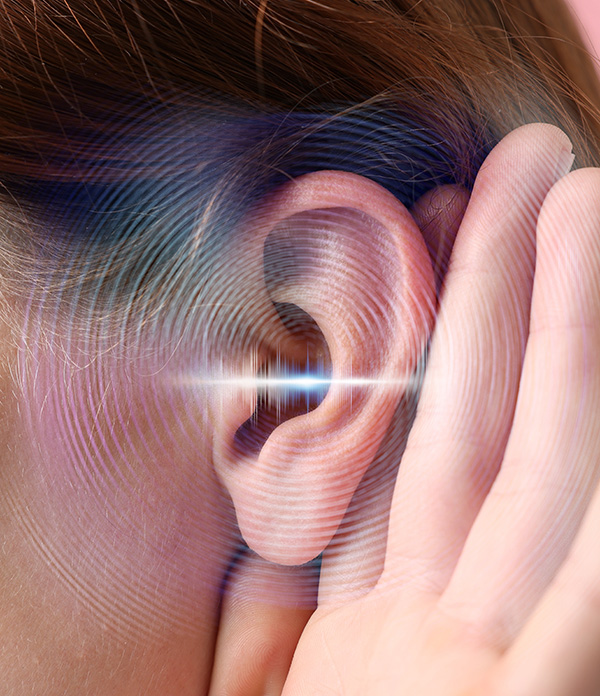
Hearing loss can occur at any age, but it often becomes more noticeable as the inner ear naturally changes over time. Several factors can contribute, including:
- Repeated exposure to loud environments such as machinery, concerts, or power tools
- Certain medications that may affect the auditory system when used in high doses or for long periods
- Viral or bacterial infections involving the ear
- Head or ear injuries
- A buildup of earwax that obstructs sound
- Hereditary factors that influence how well the ear processes sound
Understanding which factors may be involved helps us determine the next best steps, including whether hearing aids, wax removal, lifestyle adjustments, or other recommendations may be helpful.
Signs and Symptoms of Hearing Loss
The earliest signs are often subtle. Many people recognize hearing loss only after noticing more frequent misunderstandings or moments of frustration. You may be experiencing hearing changes if you notice:
- Speech sounds muffled or unclear, especially in group conversations
- Background noise makes it difficult to focus on the voice you want to hear
- The TV, music, or phone volume feels too quiet unless it is turned up higher than usual
- You avoid social settings because it is tiring to keep up
- You experience ringing or buzzing, which is commonly associated with hearing loss
- You have moments when memory or concentration feel strained during conversations
- You frequently ask others to repeat themselves
If any of these ring true for you, a hearing test is a simple and informative first step.
Types of Hearing Loss
There are several forms of hearing loss, and understanding them helps guide the right solution.
Sensorineural Hearing Loss
The most common type, caused by changes within the inner ear or auditory nerve. Although typically permanent, it can often be managed effectively with hearing aids or other sound-supportive technology.
Conductive Hearing Loss
Occurs when something prevents sound from traveling through the outer or middle ear. This may be related to wax buildup, fluid from an infection, or issues with the eardrum. In many cases, conductive loss can be temporary and may improve with appropriate care.
Mixed Hearing Loss
A combination of both sensorineural and conductive causes. Some aspects may be reversible, while others may require long-term support with hearing devices.
Identifying the type of hearing loss is essential to developing a personalized plan that meets your communication and lifestyle needs.
Options for Managing Hearing Loss
Many individuals find meaningful improvement through hearing aids designed to enhance clarity, reduce background noise, and support more natural listening in everyday environments. Modern devices can connect to smartphones, TVs, and other technology to make conversations and entertainment more enjoyable.
Additional options may include:
- Strategies to improve listening comfort at home and in public spaces
- Sound therapy for those experiencing tinnitus alongside hearing loss
- Wax removal or medical referrals if an underlying issue is identified
- Assistive listening devices
Your audiologist will support you in selecting the approach that fits your needs and goals.
Why Early Action Helps
Addressing hearing concerns sooner allows you to maintain stronger communication skills, stay socially engaged, and reduce the stress that often accompanies unclear listening. Many people feel more confident in daily conversations once they understand the source of their challenges and receive appropriate support.
Take Your Next Step Toward Clearer Hearing
Hearing loss does not have to define your day to day. If you have noticed changes or want reassurance about your hearing health, we are here to help.

Owner and Audiologist